
Category: Balanced Diet
-

The Connection Between Food and Mood: Understanding How Diet Influences Mental Well-Being
The connection between food and mood is grounded in how certain nutrients influence brain chemistry and energy levels. What a person eats can affect neurotransmitters like serotonin, which helps regulate emotions. Balanced meals rich in vitamins, minerals, and healthy fats support better mental well-being and mood stability. Unhealthy eating patterns, such as excessive sugar or…
-

How Seasonal Eating Supports Your Health and the Environment by Boosting Nutrition and Reducing Waste
Seasonal eating aligns with the natural growth cycles of fruits and vegetables, ensuring fresher and more nutritious food. It supports health by providing a variety of nutrients that change with each season and often lead to a more balanced diet. Eating seasonally also benefits the environment by reducing the need for long-distance transportation and lowering…
-

Eating With Intention: Supporting Your Body and the Planet Through Mindful Choices
Eating with intention means making food choices that nurture both the body and the environment. It goes beyond just nutrition to include awareness of where food comes from, how it is produced, and the impact it has on the planet. By choosing foods that are minimally processed, locally sourced, and sustainably grown, people can support…
-
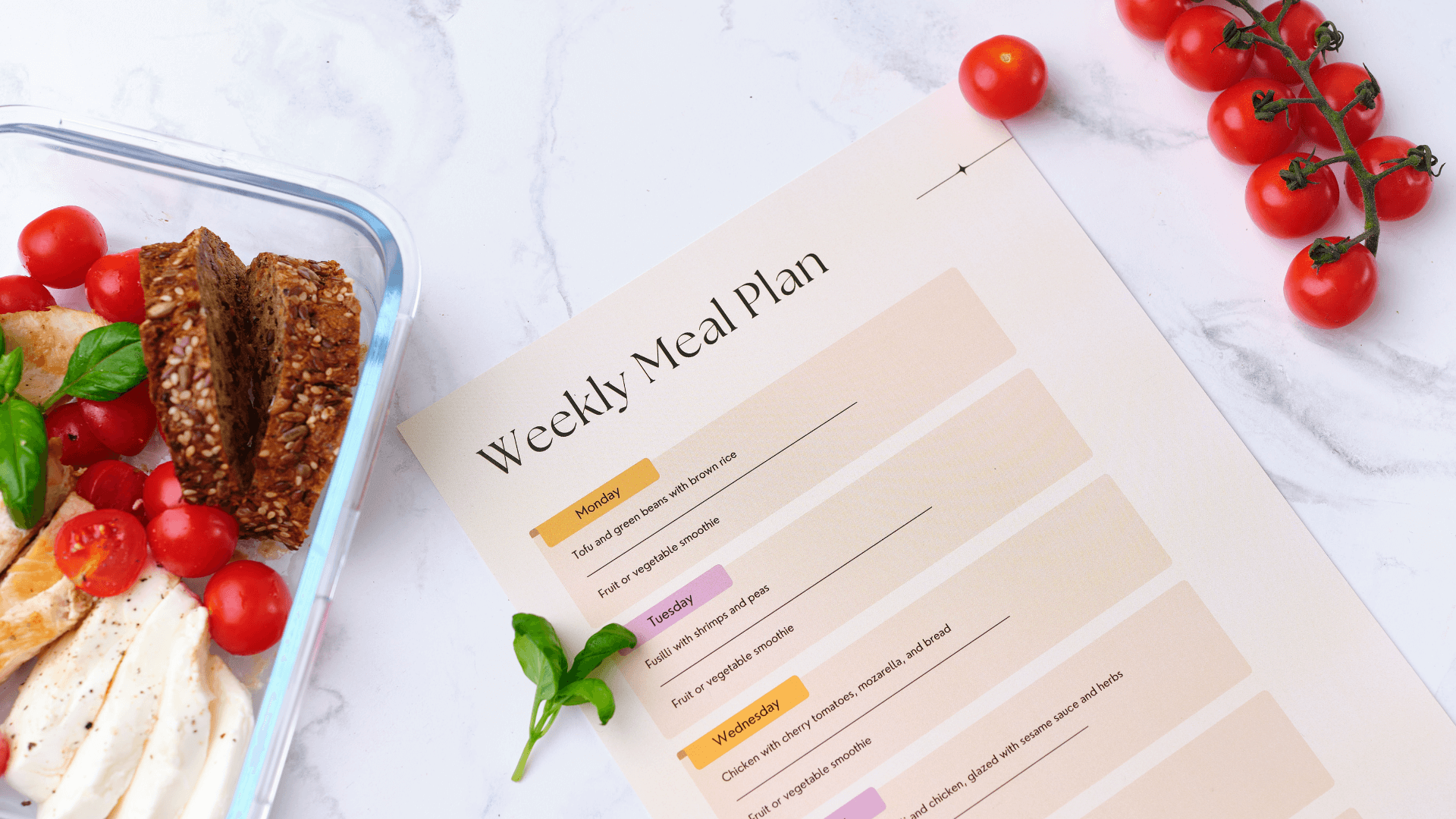
Snack Smarter: Healthy Snacks for When You’re on the Go
Life moves fast. Between rushing to classes, managing work, juggling deadlines, or even running to meet friends, grabbing a snack becomes part of the routine. But how often do those snacks leave you feeling sluggish or still hungry an hour later? Chips, chocolate bars, sugary drinks, they’re quick fixes but rarely satisfying. The thing is,…
-
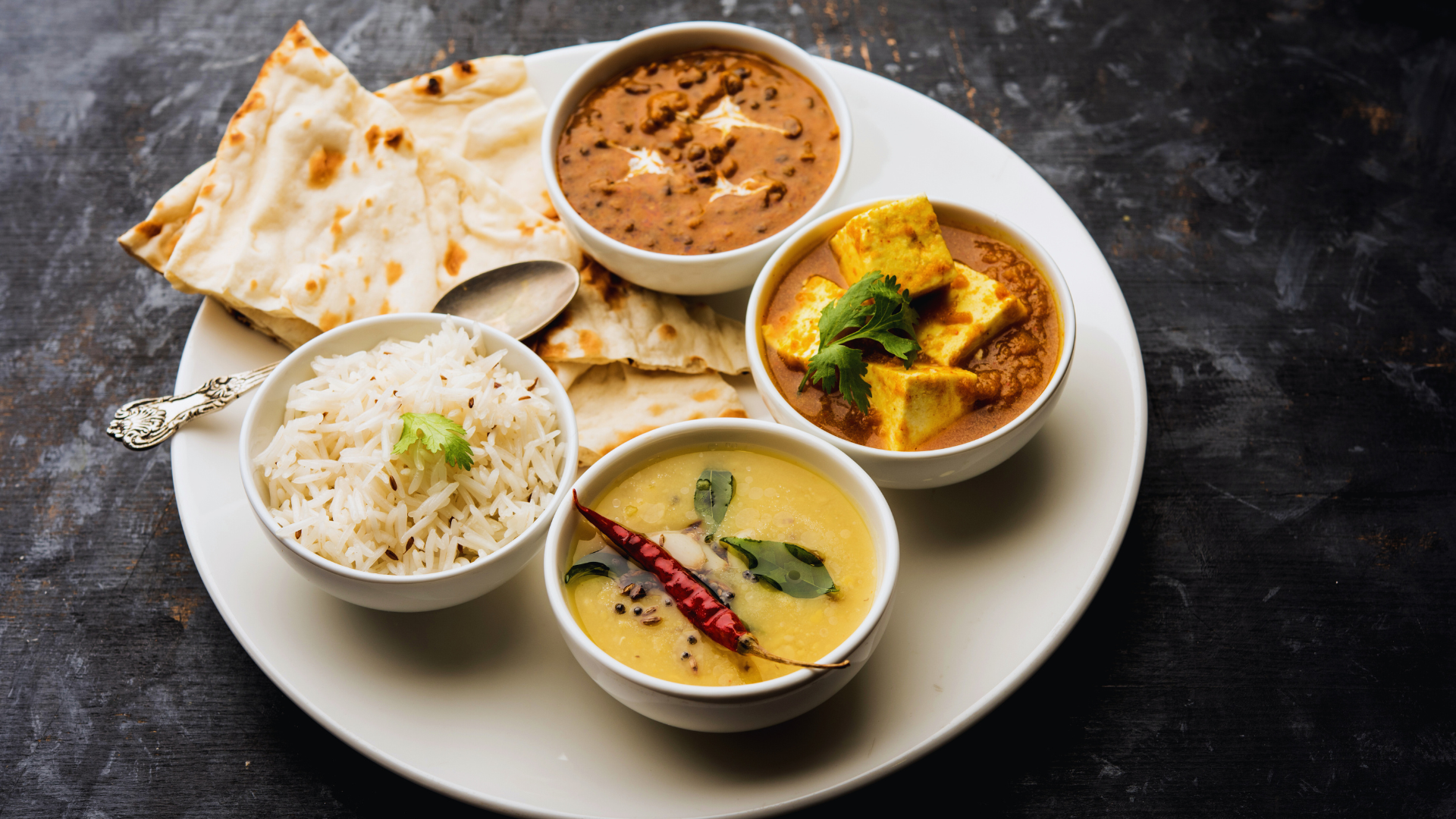
Exploring Cultural Diets: A Journey Through Global Culinary Practices
Cultural diets reflect the traditions and values of various societies, showcasing unique food practices that have developed over centuries. Exploring cultural diets reveals not only diverse nutritional practices but also the rich histories and customs that shape them. This journey leads to a greater appreciation of how food connects people to their heritage and community.…
-

How to Add More Whole Grains into Your Meals: Simple Tips for a Healthier Diet
Incorporating whole grains into meals is a straightforward way to enhance diet quality and improve overall health. Eating more whole grains can provide essential nutrients, increase fiber intake, and support heart health, as emphasized by the American Heart Association. These grains contain more vitamins and minerals than refined alternatives, making them a vital part of…
-

The Benefits of Intuitive Eating: Nourishing Your Body and Mind for Lasting Wellness
Intuitive eating offers an alternative to traditional dieting by encouraging people to pay attention to hunger, fullness, satisfaction, and other internal cues. Rather than relying on rigid food rules, the approach focuses on developing a more flexible relationship with eating and making choices based on individual needs. This can also change the way people think…
-

The Importance of Fiber for Digestive Health: Essential Benefits and Sources
Dietary fiber plays a crucial role in maintaining digestive health. Consuming an adequate amount of fiber can prevent constipation, promote regular bowel movements, and support the overall functionality of the digestive system. This essential nutrient not only aids in digestion but also fosters a healthy gut environment, which is vital for overall well-being. Incorporating both…
Categories
Recent Posts
- Mistakes to Avoid When Seeking Help for Addiction and Mental Health Concerns
- The Connection Between Slow Living and Body Awareness: Enhancing Mindful Health Practices
- The Connection Between Food and Mood: Understanding How Diet Influences Mental Well-Being
- 9 Crucial Questions to Ask When Choosing an Inpatient Rehabilitation Program
- Simple Ways to Reduce Waste in the Kitchen and Eat Well for a Sustainable Lifestyle